Inspect and document
Review the accessible roof system and photograph the areas that affect the recommendation.
We inspect the roof, explain the problem and recommend repair or replacement based on what we find.
Some roof problems can be repaired without replacing the entire system. Damaged flashing, a roof vent or an isolated section of shingles may have a focused solution when the surrounding roof remains serviceable. The same judgment applies to EPDM and TPO flat and low-slope roofs, which we repair and replace alongside the pitched systems in our portfolio.
Replacement may make more sense when wear is widespread, repairs are becoming frequent, materials are failing or decking and ventilation need broader work.
We document the roof, explain the findings and confirm the work before it begins.
Review the accessible roof system and photograph the areas that affect the recommendation.
Explain immediate concerns, longer-term conditions and repair or replacement options where appropriate.
Confirm materials, scope, scheduling, property protection, cleanup and the final walkthrough.
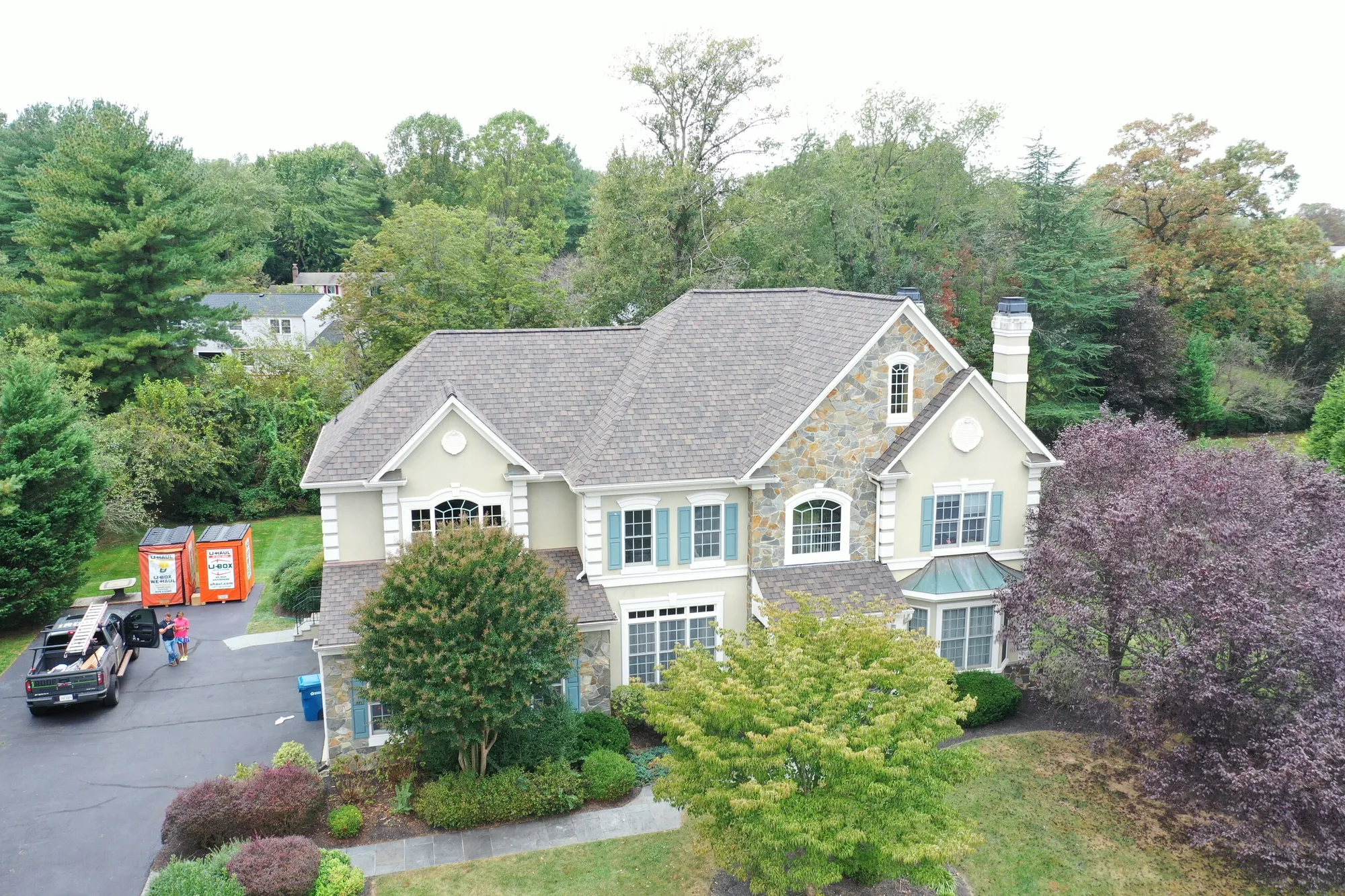
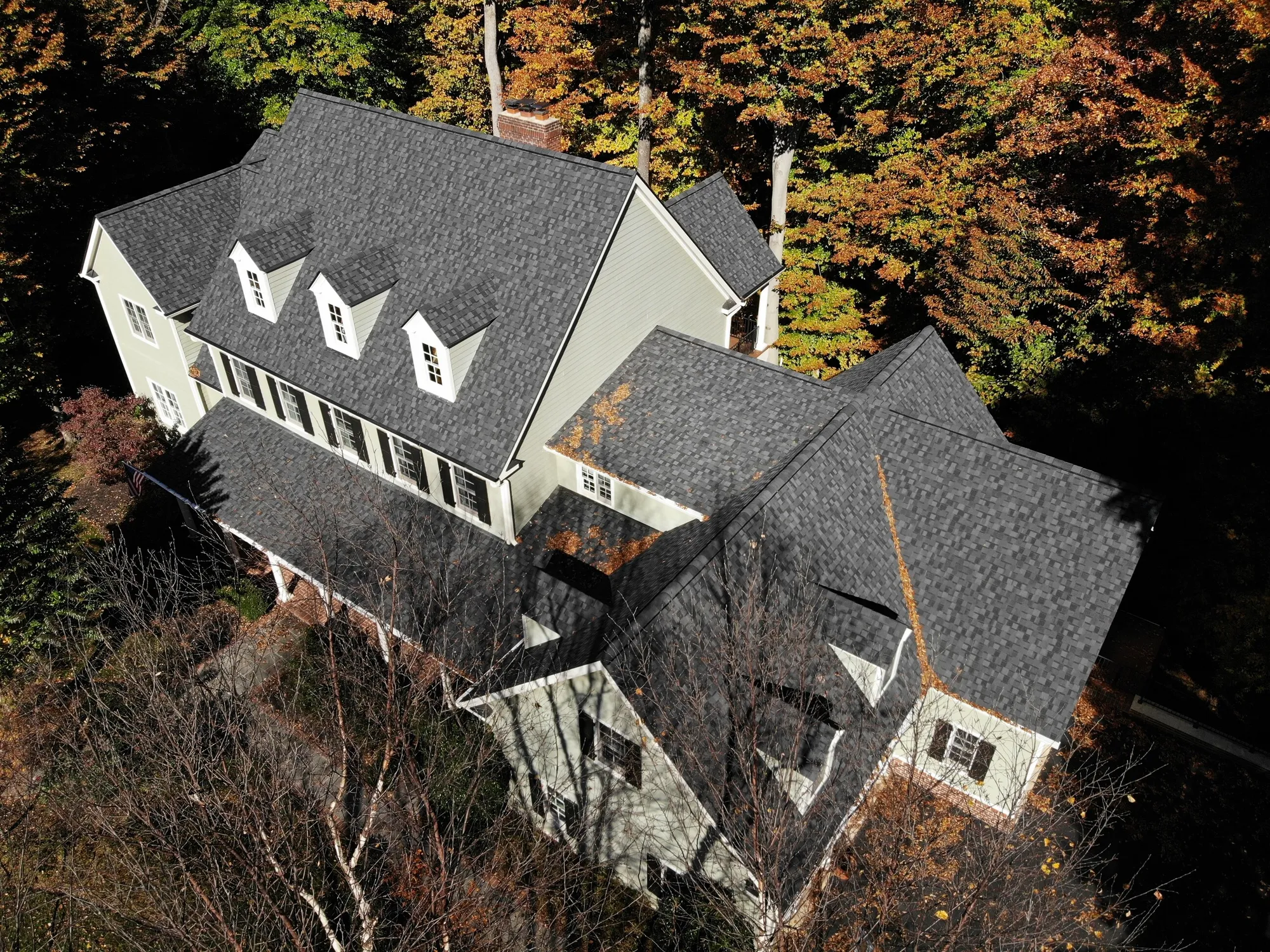
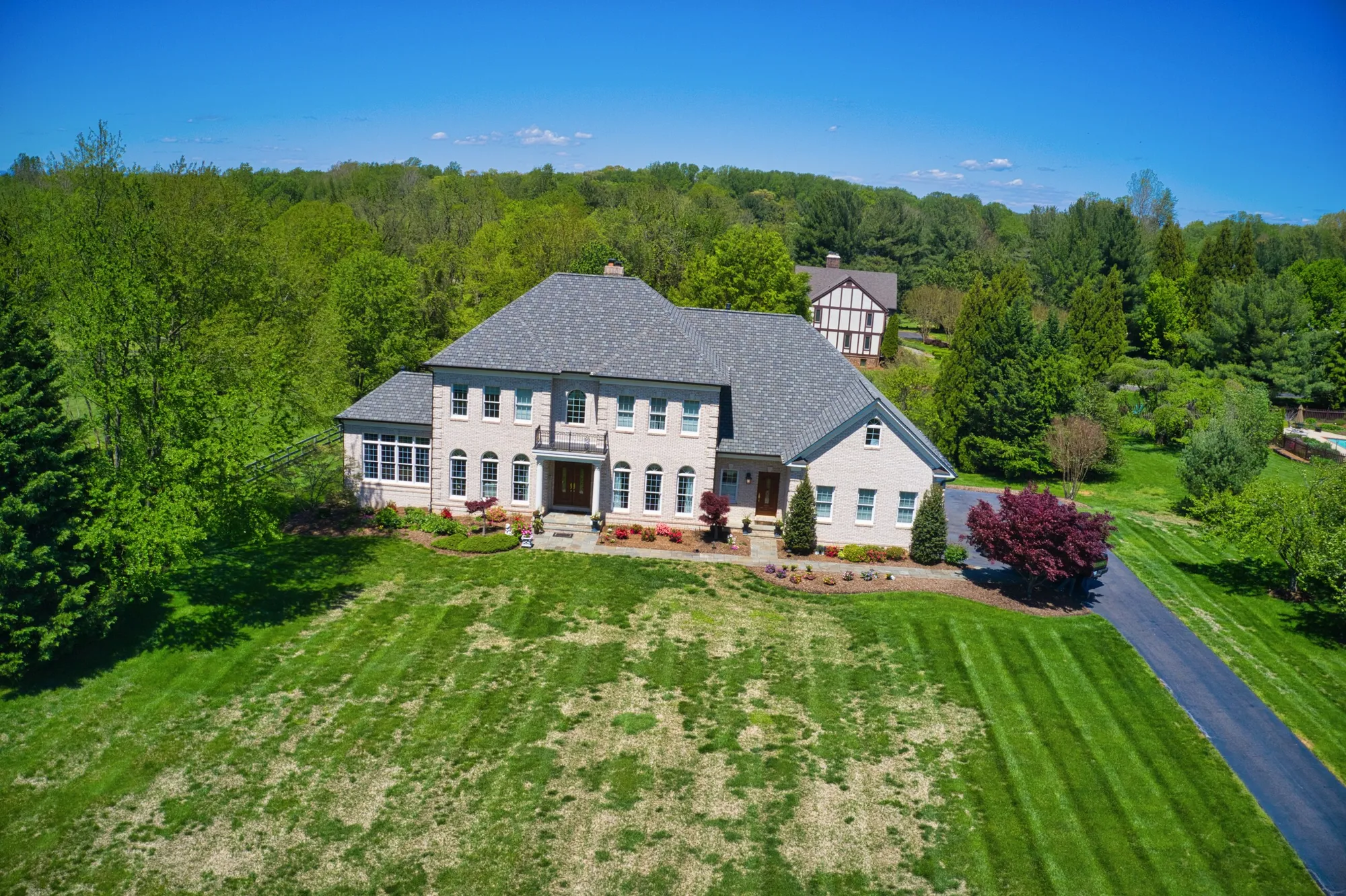
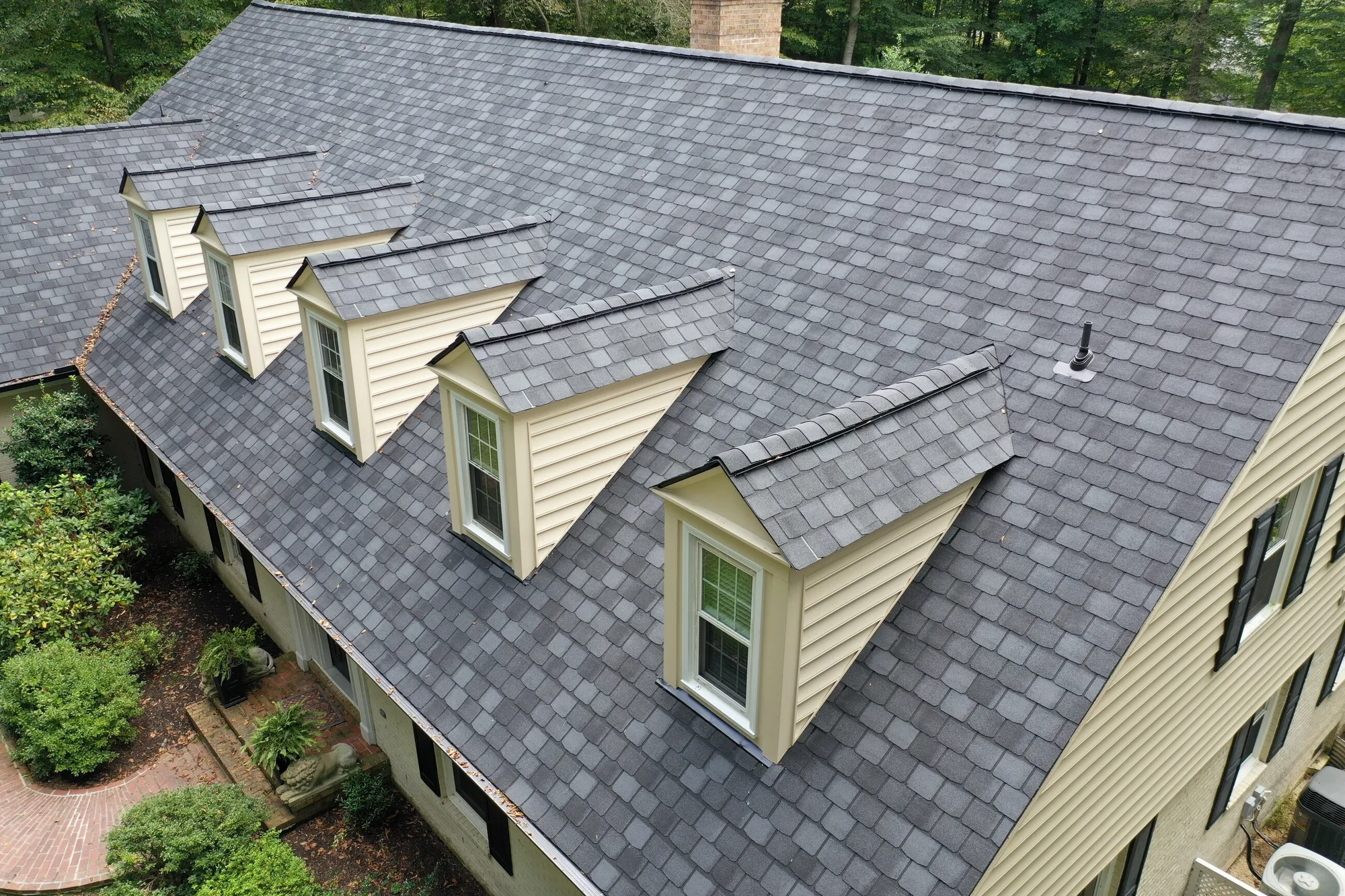
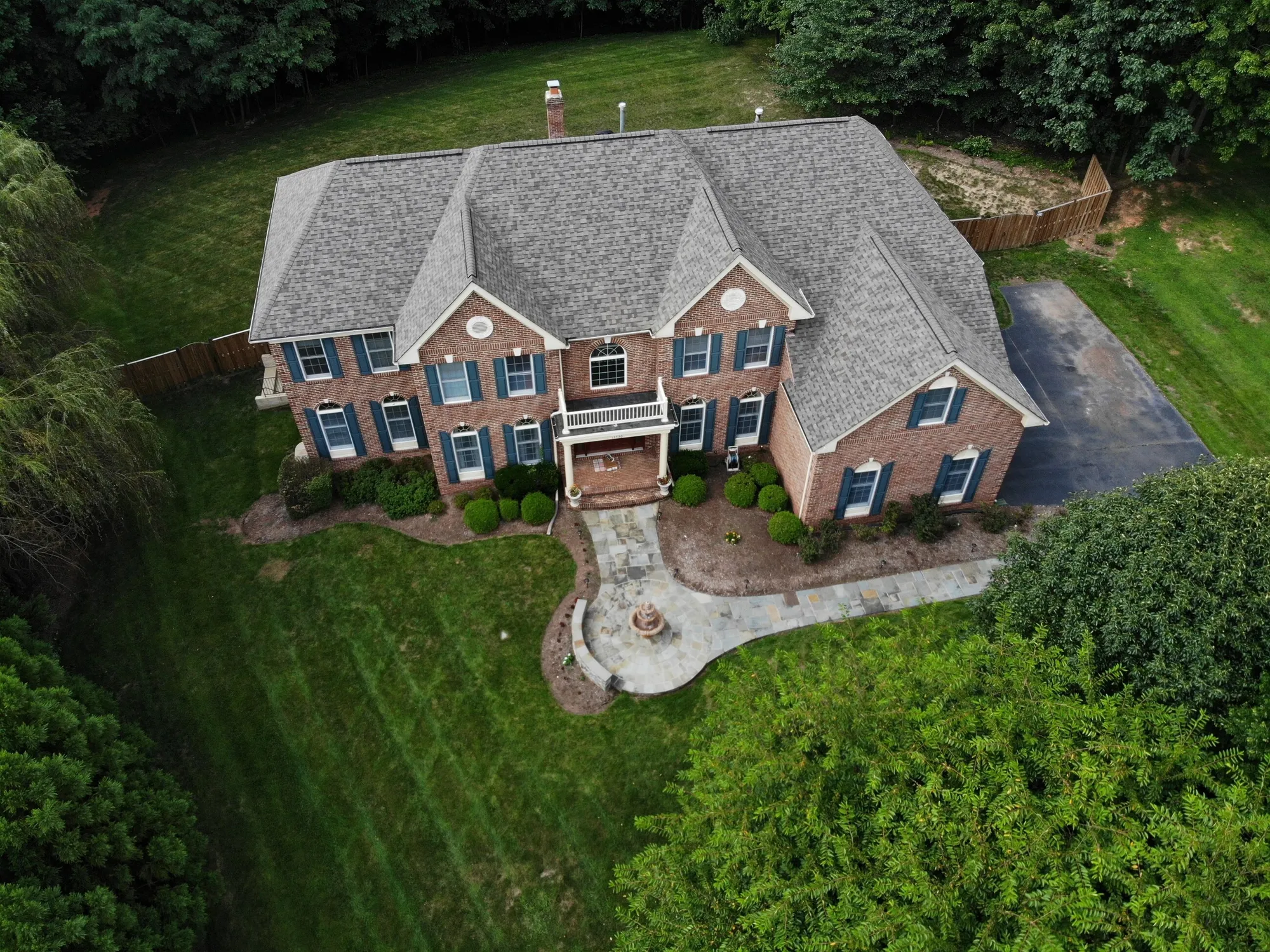
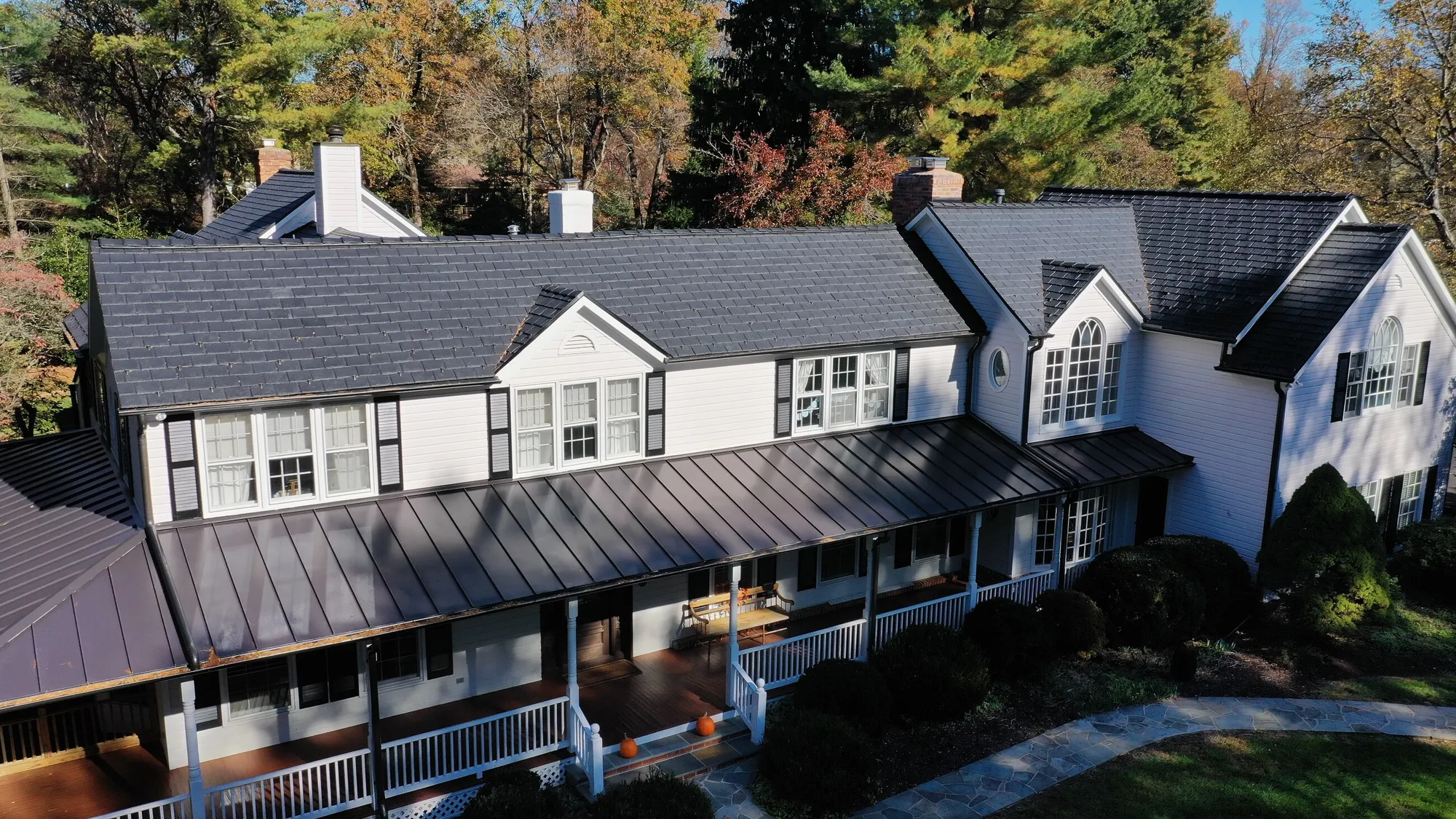
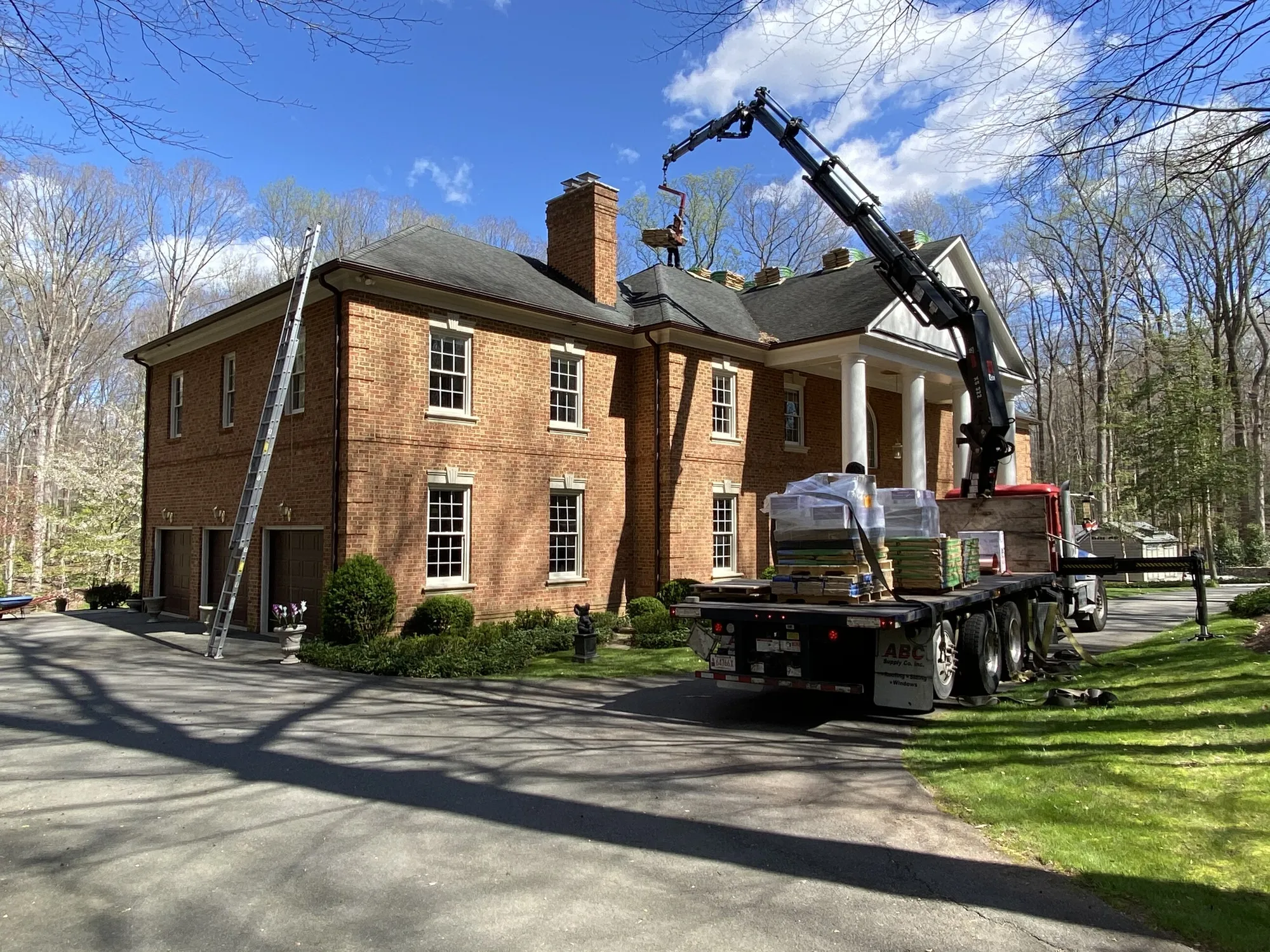
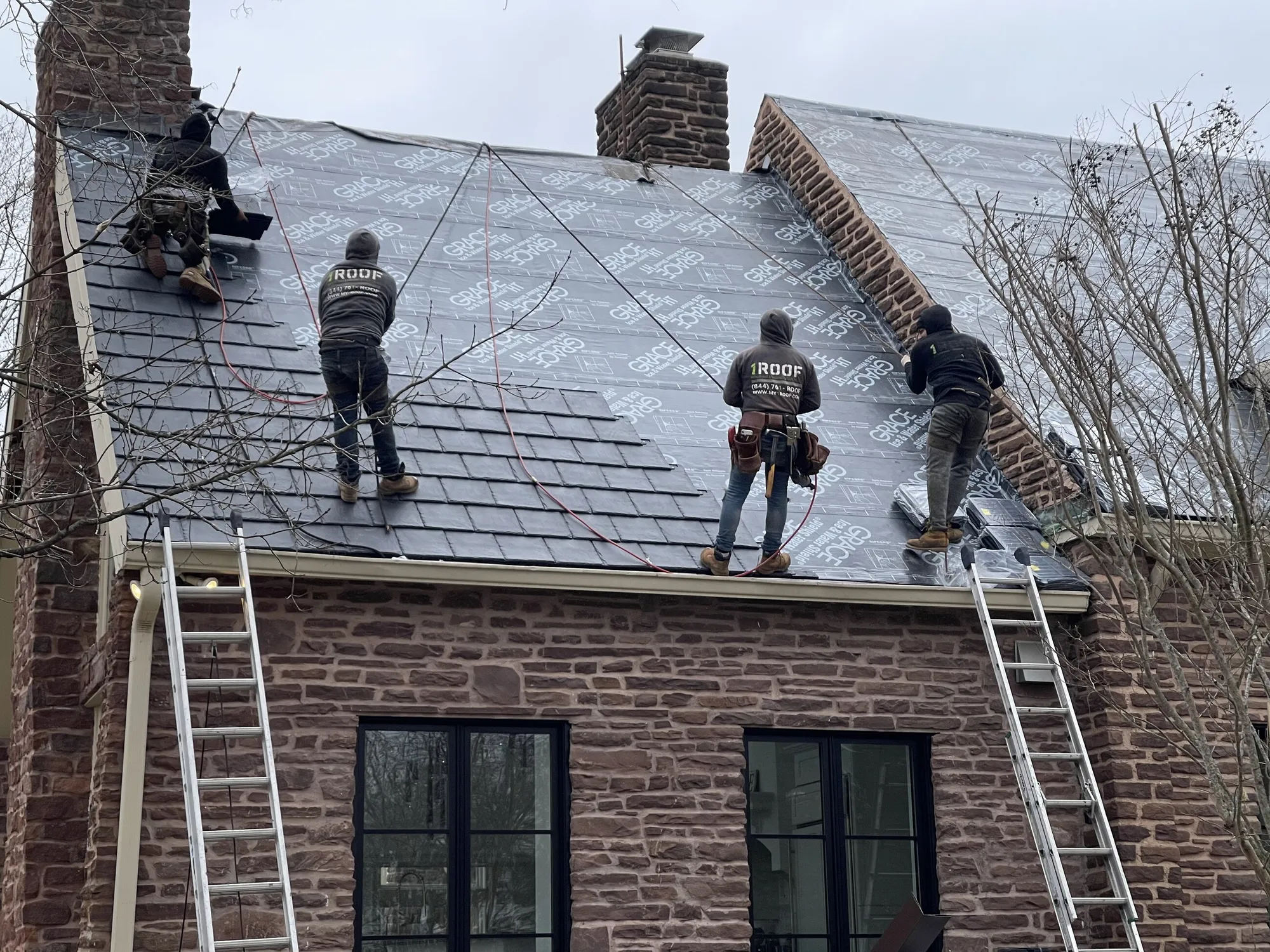
Finished roofs and in-progress details from 1ROOF projects across Virginia and Maryland.
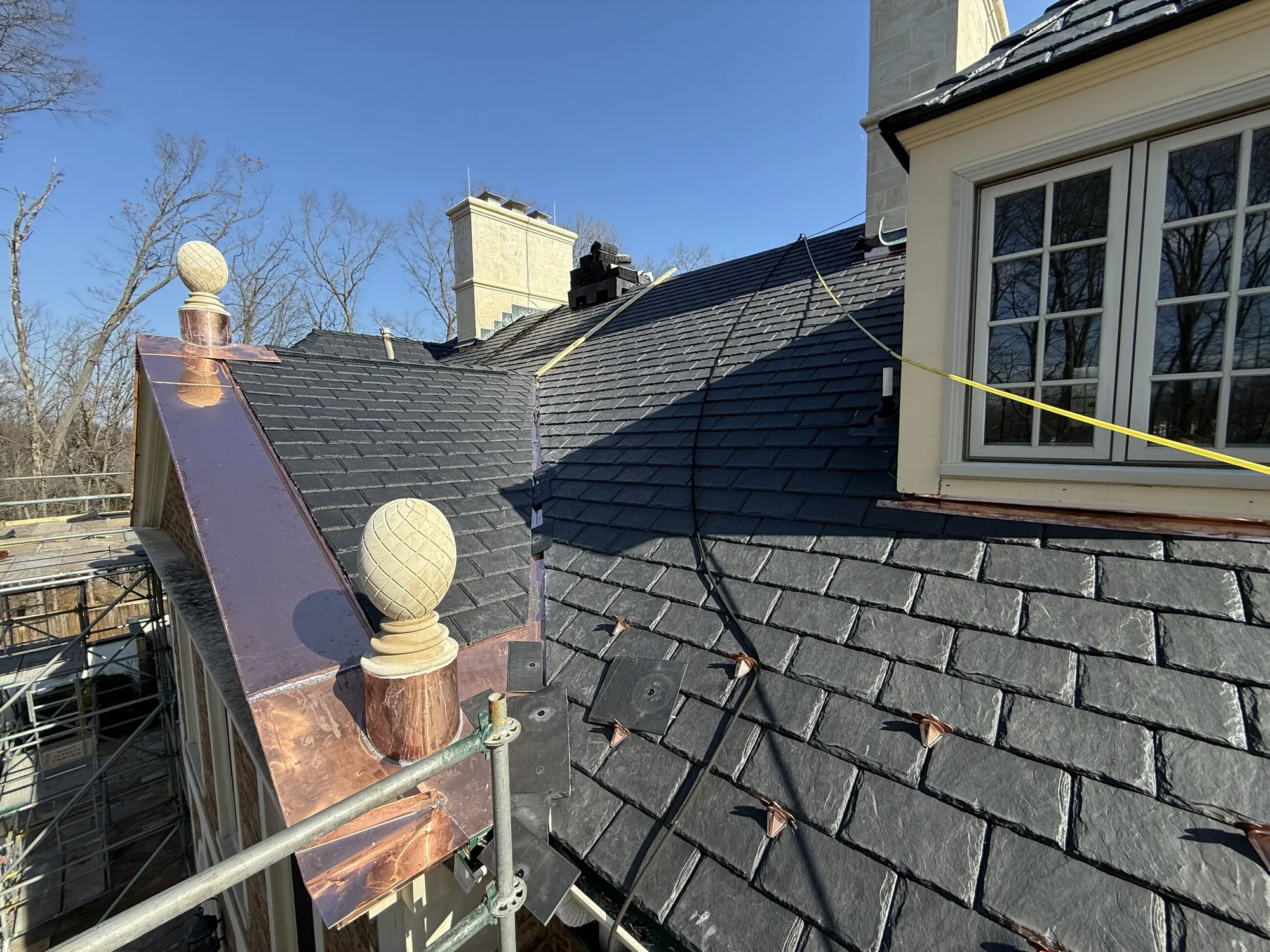
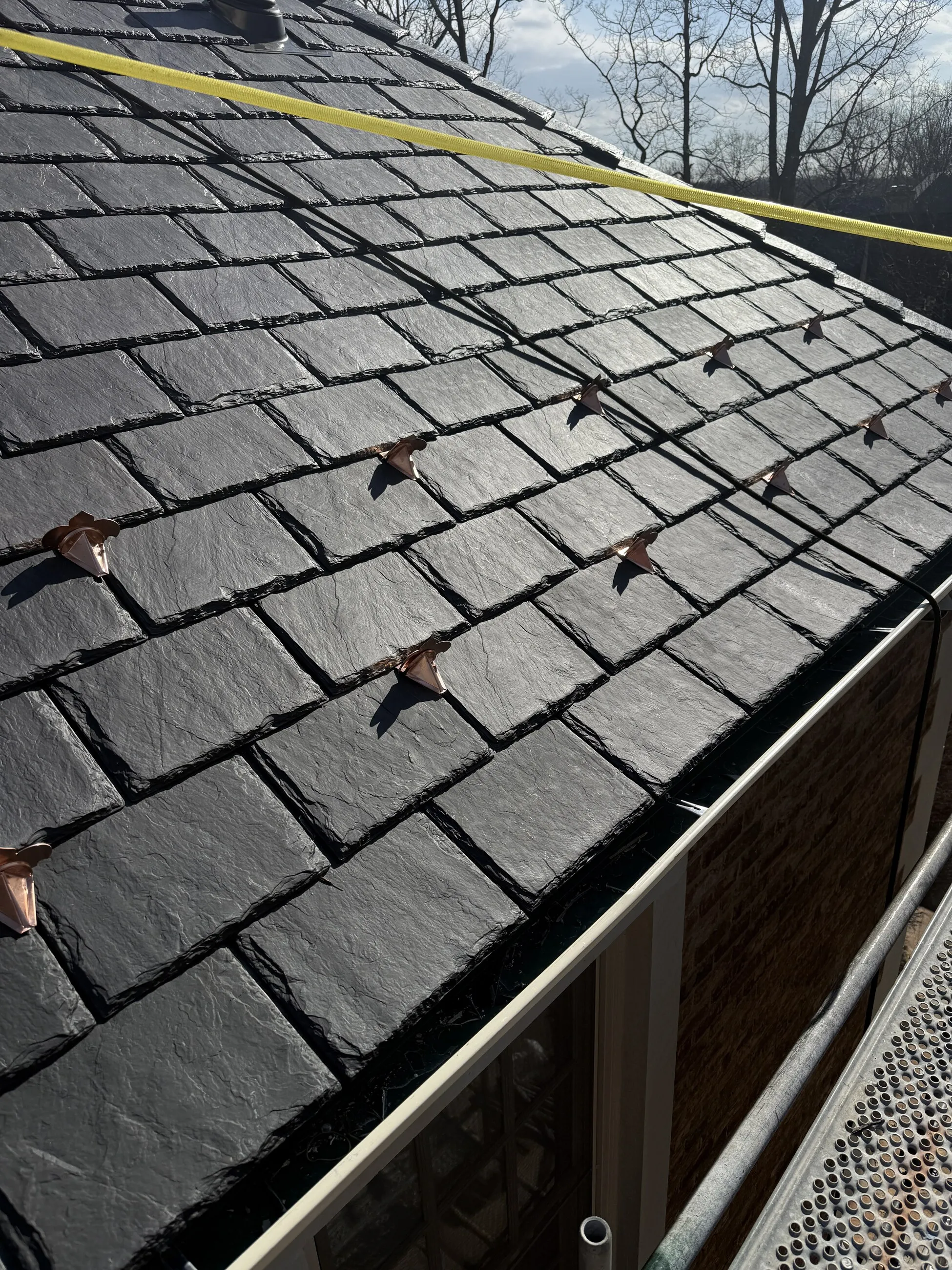
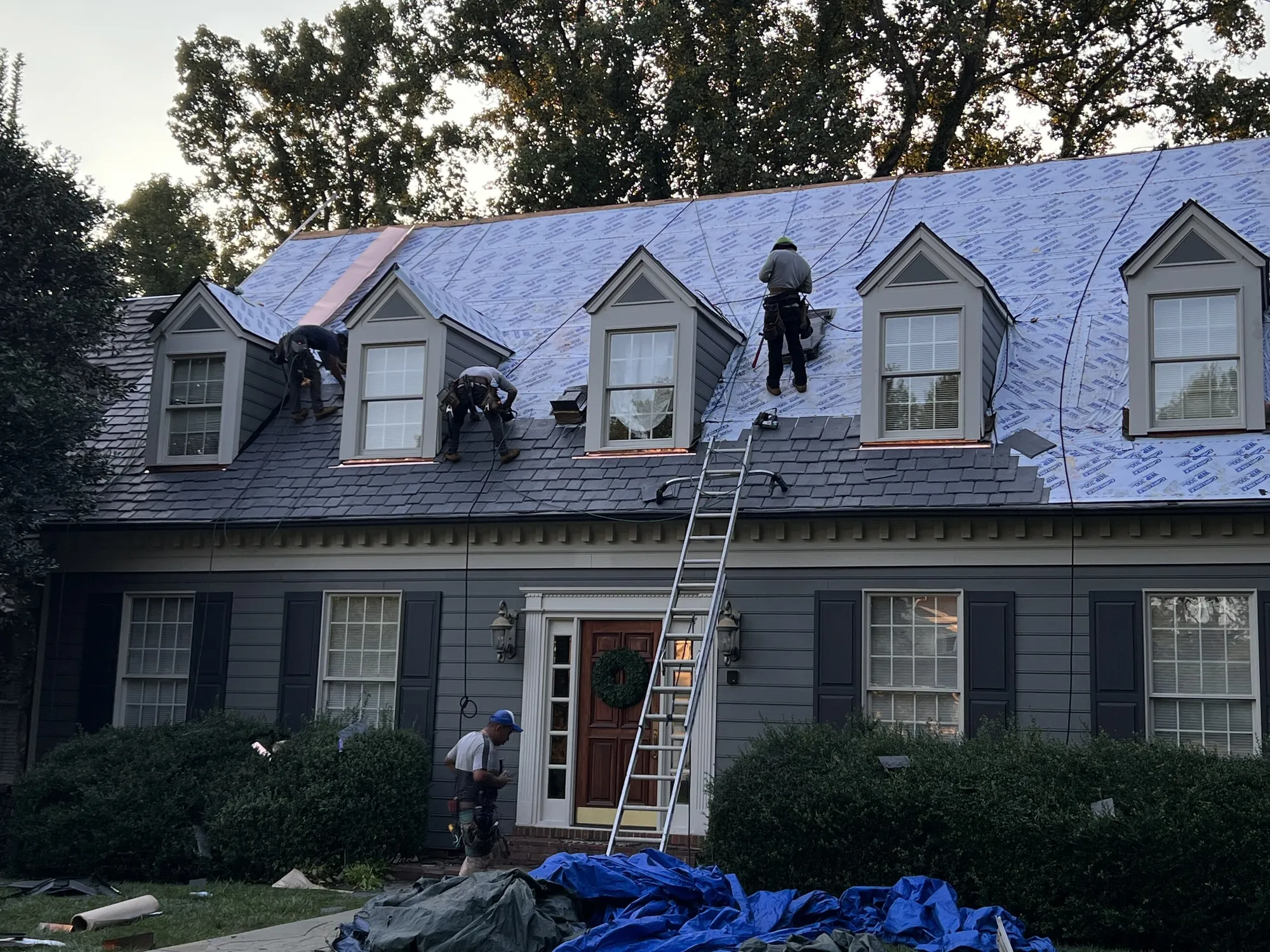
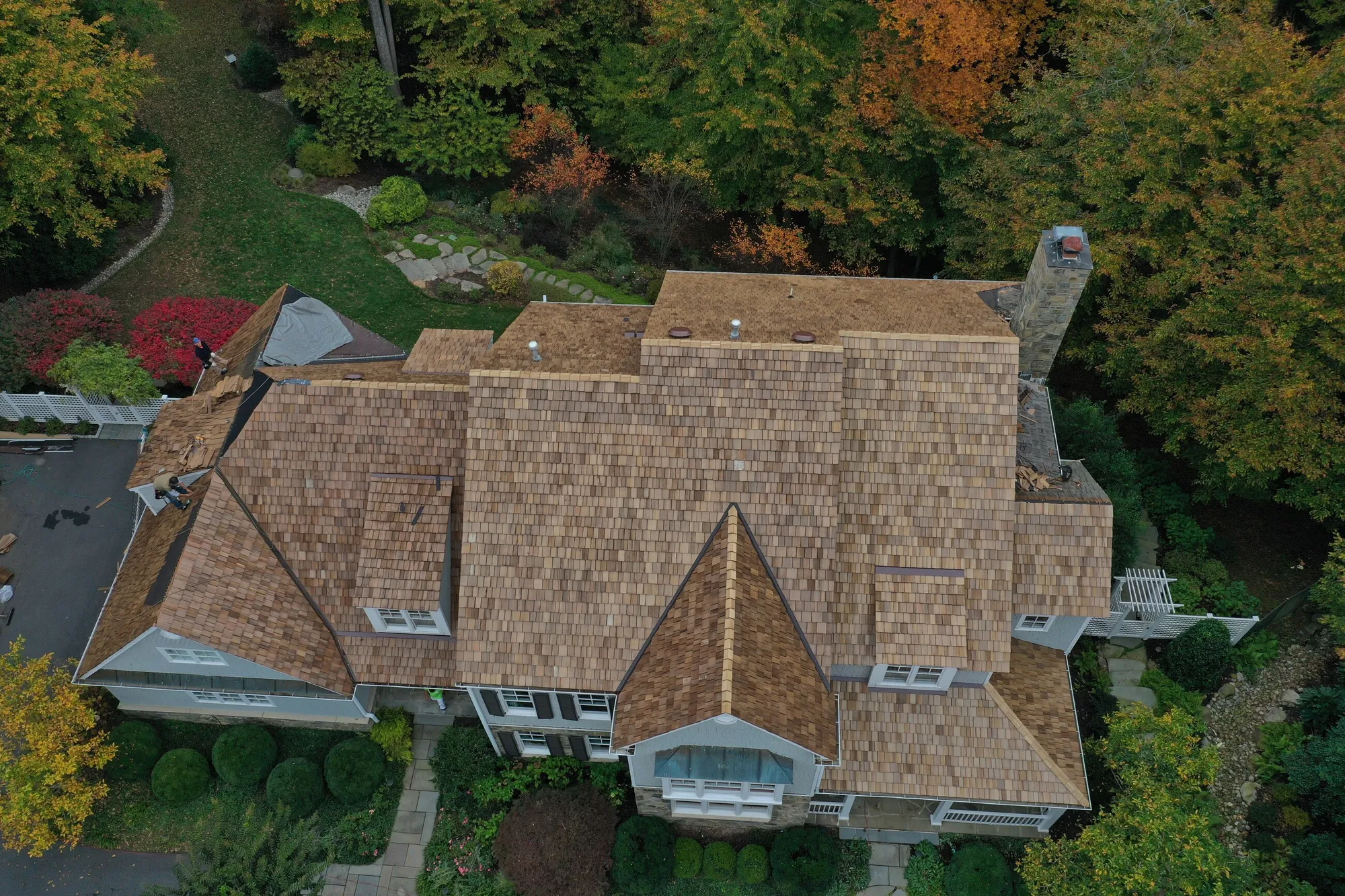
After a storm, we inspect your roof and exterior to document any damage. We meet your adjuster on-site and review everything together. Your insurance company determines coverage. If our findings differ, we submit what’s needed to support your claim.
If you have an active leak, let us know right away so we can perform an emergency cover-up or temporary repair to prevent further damage. Make sure to save any photos, videos, or additional evidence for your claim.
Contact us to schedule a free inspection. We’ll inspect the roof and full exterior, photograph any damage, and review everything with you.
Notify the insurance company promptly. Save your claim number, adjuster contact information, and inspection appointment.
As soon as your insurance company schedules its inspection, send us the date and time, your claim number, and the adjuster’s contact information.
Once your insurance company provides an initial loss statement, we review the claim scope with you and answer any questions you have. If any items are missing, we’ll submit a supplemental estimate to your insurance company, including photos, measurements, and building codes.
After we complete your project, we send a final invoice and any requested completion documents to the insurance company. They will review and release all claim funds to you.
If the roof is actively leaking, protect the house from further damage and notify the insurance company promptly. We can inspect and document visible storm damage whether or not you’ve already opened a claim. If you’ve reported the loss, have the claim number and adjuster contact information ready.
Actual cash value (ACV) means the cost to repair or replace covered damage after depreciation is deducted, subject to the policy limits and deductible. Replacement cost coverage pays the covered cost to repair or replace with like, kind, and quality, subject to the policy terms. Most policies provide coverage for replacement cost. Replacement cost claims begin with an ACV payment, with recoverable depreciation paid after the work is completed and the full replacement cost is documented. Deadlines apply, so confirm them directly with your insurance company.
A claim scope and contractor proposal serve different purposes. The claim scope is an itemized breakdown of the material included in the claim, produced in Xactimate, the estimating software the insurance industry uses, which prices material and labor by zip code and updates every 30 days. We run the same software and review your claim scope to confirm it covers all of the material needed to replace your roof.
A “Supplement” is the term commonly used when additional construction information is sent to the insurance company for review. We submit supplemental estimates for items missing from the initial claim scope, supported by photographs, measurements, building codes and product specifications.
The lender has a financial interest in the property and may be listed on a claim payment. Its process may require an endorsed check, a signed contract, progress inspection or completion documents. Contact the lender early so you know its requirements and timing.
Our contract identifies the amount of your insurance claim and project price, along with any upgrades or work not included. Your insurance company applies the policy deductible to your claim. That amount is your out-of-pocket cost.
No. A leak can come from an isolated problem such as damaged flashing, a roof vent or a small area of failed material. An inspection should identify the source and check the condition of the rest of the roof.
Roof size, pitch, access, tear-off requirements, decking condition, ventilation, flashing details, material selection and the complexity of valleys, dormers and penetrations all affect the final scope.
Training, contractor programs and warranty options vary by manufacturer and material. Confirm which options apply before choosing a roof system.